The healing power of onions
By: Isabella Ivy
In many countries, plant-based medicine has been passed down through generations of people and is rooted in a strong knowledge of the land one inhabits. However, while someone may understand which plants can heal them, there is much more ambiguity as to why. This is especially true for cultural remedies, which aren’t taught or learned in a scientific context. Because of this, it’s harder to flesh out which medicines are factual, spiritual, or mythological.
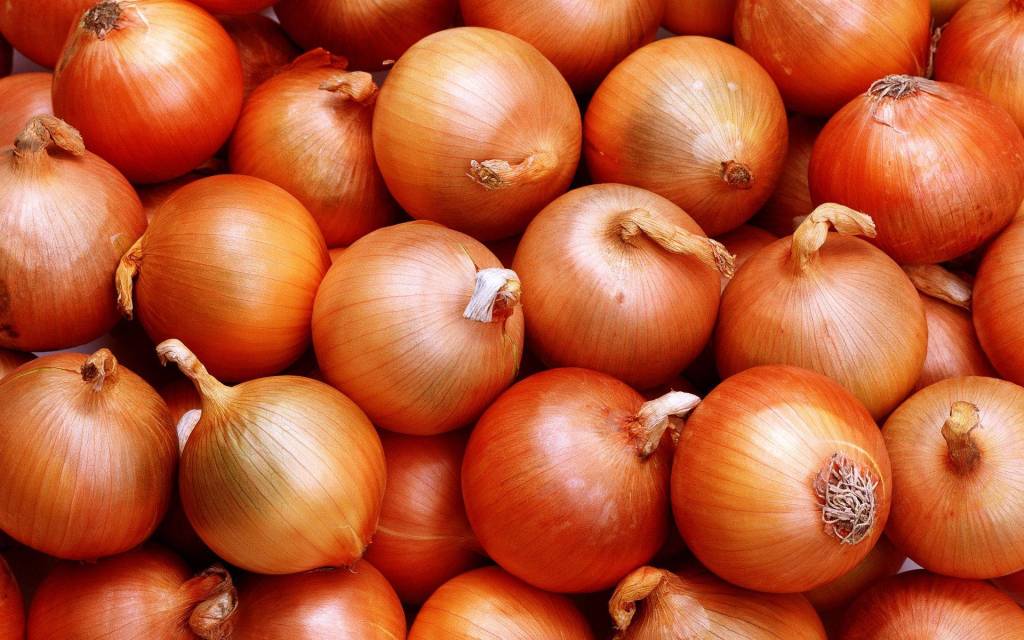
My recent exploration of plant based remedies stemmed from a discussion I had about the power of onions with some PLACE lab members. During COVID, my aunt would cut onions in half and place them around her house, claiming the onions would suck any bacteria out of the air thus preventing her from getting sick. After consulting with team members and doing some research, I’ve concluded that while onions may not have all of the healing powers they’ve been assigned, they do have some medicinal and anti-bacterial qualities.. Onions have a variety of sulphuric compounds that contain antibacterial activity and a number of chemical compounds including Allicin. Onions are also known to have “anti-toxic, anticarcinogenic properties, [and] antiasthmatic” activity (Dorrigiv et al 2021). Specifically, the juice released from a cut onion is known to kill and inhibit the growth of several types of microorganisms. As a result, people may cut onions in hopes that the juices released will inhibit harmful germs in a given space.
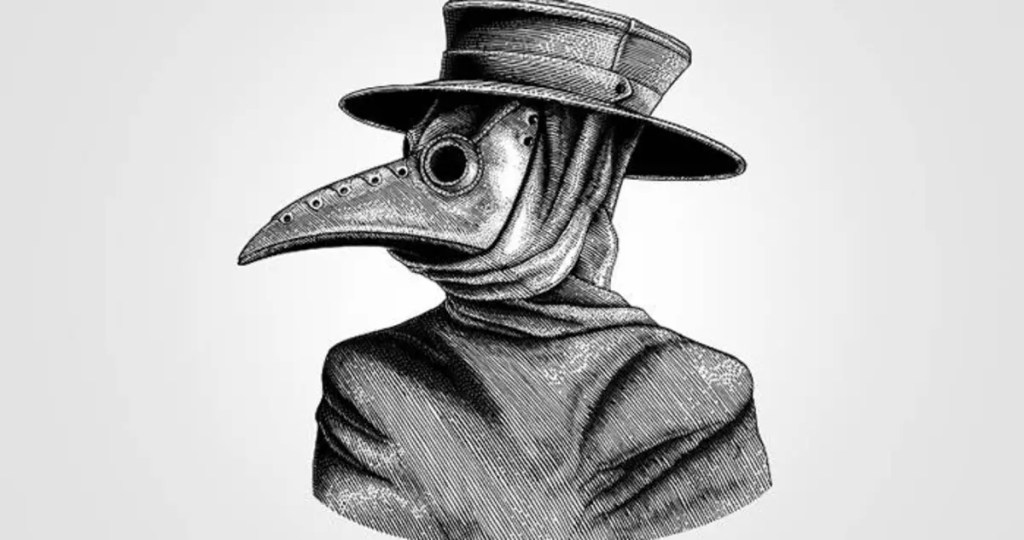
Despite research regarding the abilities of onions being confined to recent years, it has been used to heal and protect people throughout history. Culturally speaking, onions were used in 14th century Europe as a way to ward off the Bubonic plague. Methods included rubbing chopped onion on buboes and attempting to use the fumes to eradicate the sickness in the air (Nitschke 2021). While these methods were partly due to a misunderstanding of diseases and viruses, it’s arguably a testament to the historical knowledge of onions’ health benefits, and an attempt to wield them in the face of a pandemic. Medicinal uses of onions are also geologically and culturally diverse, in fact growing up, our very own PLACE lab member, Dr. Malini was given a necklace made out of pearl onions to control the spread of chickenpox and break her fever. Dr. Malini also recalls onions being used as a cooling property during summers in India. One would drink buttermilk with chopped onions in it to cool the body down. Dr. Malini’s experience also prompted another PLACE lab member to come forward with their story; Al recalls that their childhood friend would cut an onion in half and put it on their ear (allowing the juice to trickle in) to treat an ear infection.
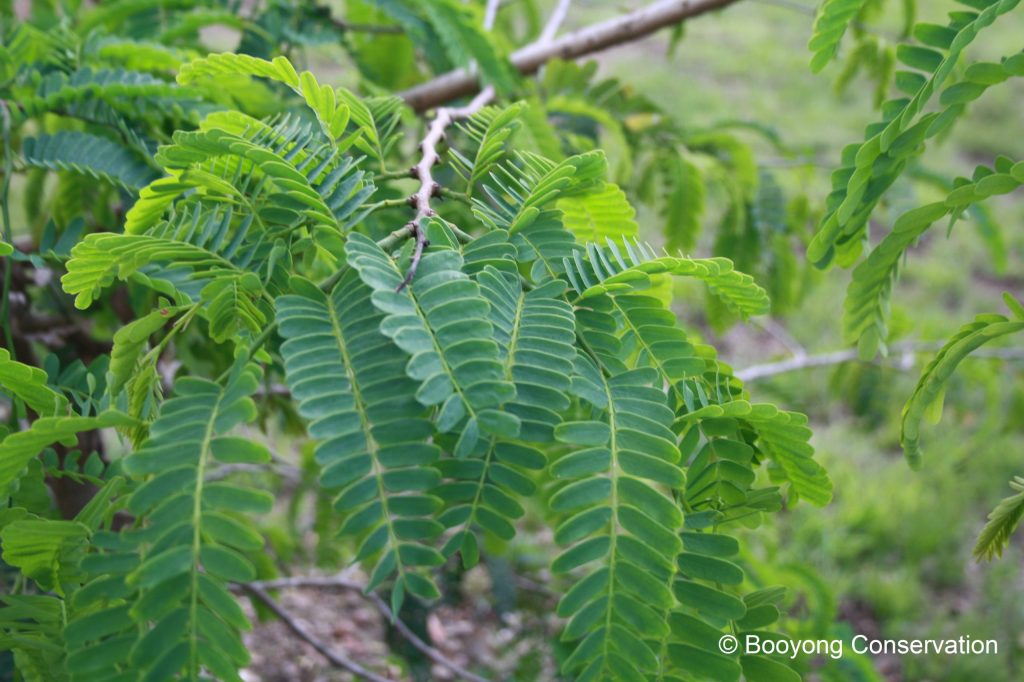
This research into the structure and uses of the onion has prompted me to examine the effectiveness of other plant-based medicine, and asking my family members about practices they used in Jamaica. For example, to combat chickenpox and measles, people would bathe in the water of boiled Tamarind Leaves to soothe the itching. It turns out this remedy has been supported by plant physiology; Tamarind leaves according to the National Library of Medicine are “rich in phytochemicals,” and the plant is reported to have “antidiabetic activity, antimicrobial activity, antivenomic activity, antioxidant activity, antimalarial activity, hepatoprotective activity, antiasthmatic activity, laxative activity, and anti-hyperlipidemic activity” (Bhadoryia et al 2011). While formal scientific research has confirmed the healing properties of Tamarind leaves within the scientific community, this is a recent discovery compared to the many centuries its medicinal properties have been used, in accordance with the on the ground ecological knowledge of its users. It’s interesting to think about what other traditions and cultural remedies might be factually correct but remain scientifically unexplored. Alternative medicine is not always taken seriously in scientific communities, who often frame their research through the lens of Eurocentric and Imperialistic beliefs. Since many plant based and traditional medicines are related to the cultures of marginalized groups and ethnicities, the validity and potential of these methods are not fully recognized by modern science. However, these issues can be combatted with a push for intersectionality and diversity in science. How might the scientific community learn from other types of knowledge, and how might this expand our idea of what science is, who is allowed to do it, and how it is valued?
SOURCES:
Bhadoriya, Santosh Singh, Aditya Ganeshpurkar, Jitendra Narwaria, Gopal Rai, and Alok Pal Jain. 2011. “Tamarindus Indica: Extent of Explored Potential.” Pharmacognosy Reviews 5 (9): 73–81. https://doi.org/10.4103/0973-7847.79102.
Nitschke, Lauren . 2021. “The Black Death (10 Medieval Cures).” TheCollector. TheCollector. December 16, 2021. https://www.thecollector.com/the-black-death-medieval-cures/.
Dorrigiv, Mahyar, Armin Zareiyan, and Hossein Hosseinzadeh. 2021. “Onion (Allium Cepa) and Its Main Constituents as Antidotes or Protective Agents against Natural or Chemical Toxicities: A Comprehensive Review.” Iranian Journal of Pharmaceutical Research: IJPR 20 (1): 3–26. https://doi.org/10.22037/ijpr.2020.112773.13940.
IMAGES:

 BLOG
BLOG 
Leave a reply to hamiltonjadelyn Cancel reply